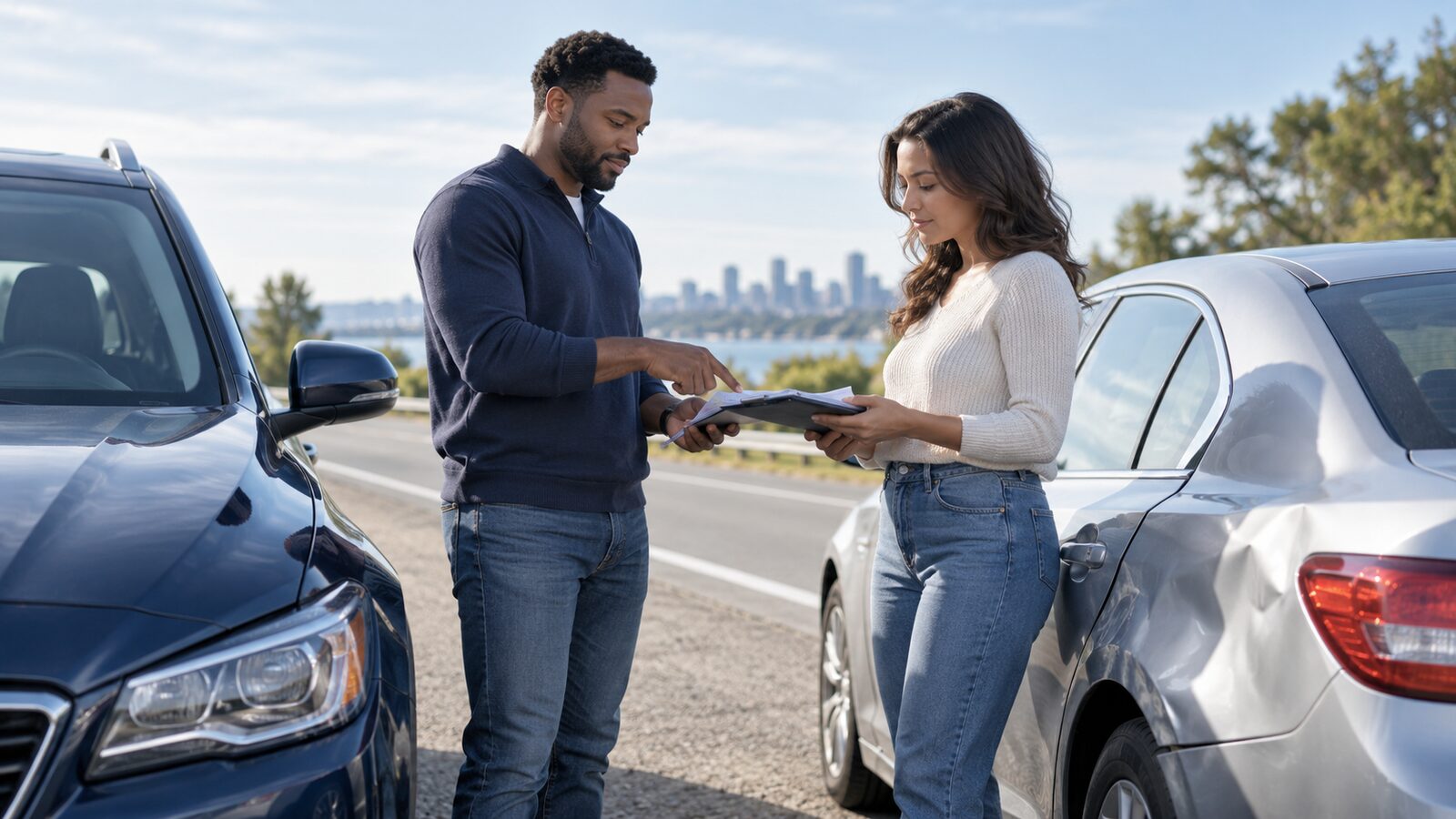
An at-fault driver may have no insurance, too little insurance, or may leave the scene. Uninsured and underinsured motorist coverages are designed to address specified losses in these situations.
Uninsured motorist coverage
Uninsured motorist coverage may protect an insured person when a responsible driver lacks applicable liability insurance. It may also apply to a qualifying hit-and-run event, subject to prompt reporting, evidence, and policy conditions.
Some policies distinguish uninsured motorist bodily injury from uninsured motorist property damage. A deductible may apply to property damage in certain states or policies.
Underinsured motorist coverage
Underinsured motorist coverage may respond when the responsible driver has insurance but the available limit is insufficient for eligible damages. The calculation can depend on state law, policy language, other payments, and selected limits.
Consent-to-settle, notice, subrogation, and claim-preservation provisions can be important. Consumers should contact their insurer before finalizing a settlement that could affect rights.
State differences matter
Some states require UM or UIM coverage, some require an offer, and others permit rejection. Available limits and the ability to combine limits across vehicles or policies also vary.
A state insurance department can explain current requirements and complaint procedures. The policy and applicable law determine coverage in an individual claim.
Building a claim file
Document the accident, identify witnesses, obtain a police report when appropriate, preserve medical and repair records, and notify insurers promptly. Hit-and-run claims may carry special reporting duties.
Keep a timeline of conversations and request claim decisions in writing. Serious injury or disputed coverage may justify timely consultation with a licensed attorney.
Practical checklist
- Confirm UM and UIM limits
- Identify bodily injury and property-damage components
- Review hit-and-run duties
- Report losses promptly
- Preserve settlement and notice rights
- Consult the state insurance department
Frequently asked questions
Is UM coverage the same as collision coverage?
No. Collision generally addresses damage to the insured vehicle from a collision, while UM protection responds to defined losses involving an uninsured driver.
Can UIM coverage pay automatically after liability limits are used?
Not automatically. Eligibility and calculations depend on damages, payments, state law, selected limits, and policy language.
Does UM cover a pedestrian?
Some policies and state laws can protect an insured person injured as a pedestrian, but definitions and facts must be reviewed.
Sources and further reading
This article provides general educational information for a U.S. audience. It is not insurance, legal, medical, tax, investment, or financial advice. Policy language, state law, and individual facts control actual outcomes.